

Child Protection and Safeguarding at Roundwood School and Community Centre
At Roundwood School and Community Centre, the welfare, health, and safety of our pupils are our paramount concern. We recognise that a safe environment is essential for academic progress, emotional development, and healthy peer relationships.
We operate a strict "culture of vigilance" underpinned by the statutory principle that "it could happen here". No single practitioner has a full picture of a child’s needs, which is why all members of our school community—including permanent staff, temporary workers, volunteers, and governors—are trained to identify early indicators of harm and act on professional curiosity.
We will share relevant information with other professionals and agencies when necessary to safeguard and promote the welfare of children in our care, in accordance with statutory safeguarding and data protection requirements.
Our Trauma-Informed Framework
For our learners with complex special educational needs, we actively utilise Bruce Perry’s "Six Principles of Healthy Child Development" to build digital and emotional resilience :
- Attachment: Helping pupils build trusting relationships with "Safe Adults".
- Self-Regulation: Helping children manage impulses in a secure environment.
- Affiliation: Fostering a genuine sense of belonging to a supportive peer group.
- Attunement: Ensuring staff are responsive and attuned to non-verbal distress cues.
- Tolerance: Fostering respect and acceptance of individual vulnerabilities.
- Respect: Protecting the dignity and voice of every single child.
Our Designated Safeguarding Team
If you have any concerns regarding the safety, mental health, or well-being of a child at our school, please immediately contact a member of our team below:
| Role | Name | Contact | |
|---|---|---|---|
|
Designated Safeguarding Lead (DSL) |
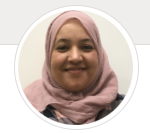 |
Nagla Salama |
|
|
Deputy Designated Safeguarding Lead (DDSL) |
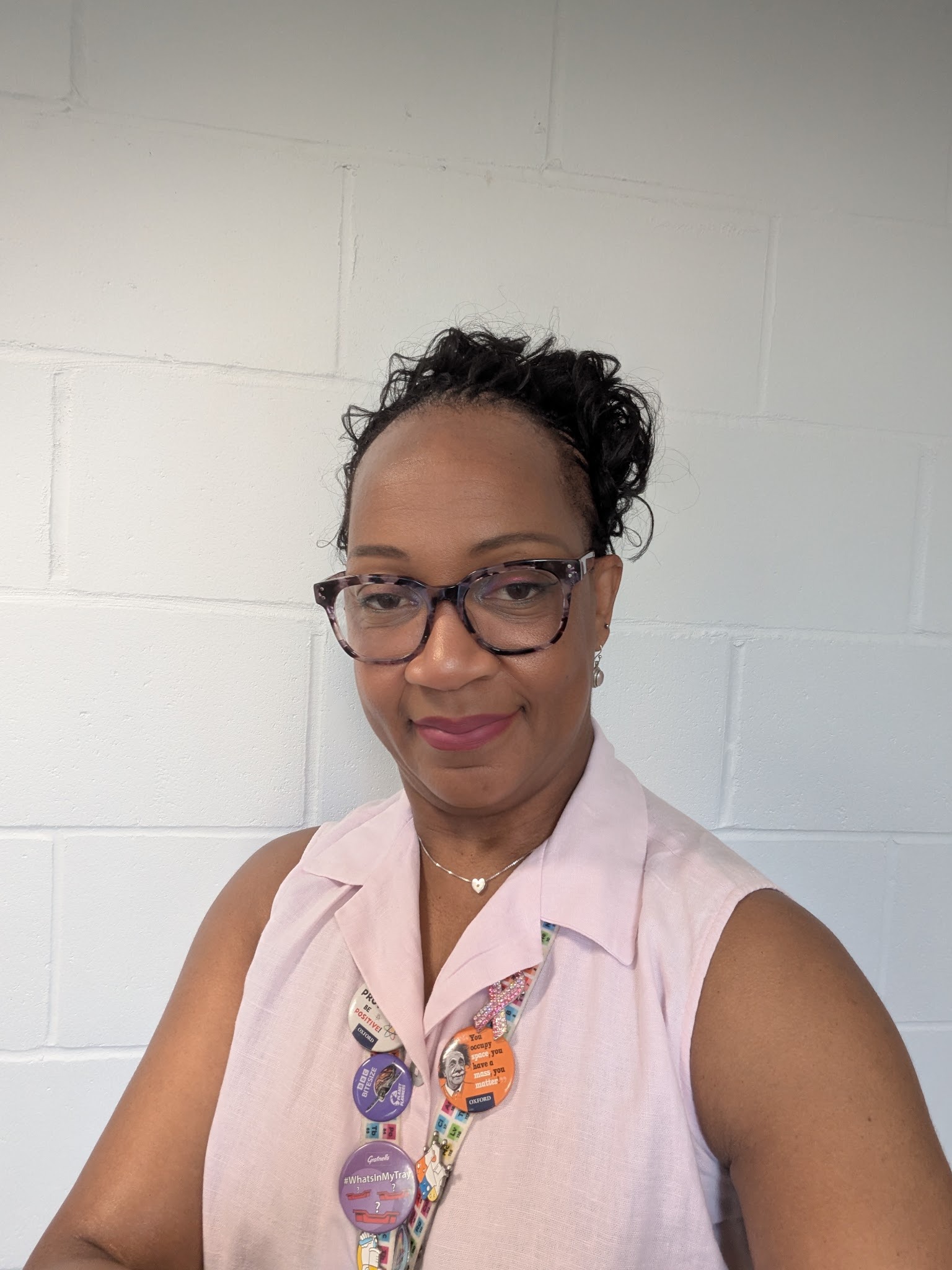 |
Leona Brown-Morris |
lbrownmorris1@beckmeadtrust.org |
|
Deputy Designated Safeguarding Lead (DDSL) |
 |
Anthony O’Connor | aoconnor69@beckmeadtrust.org |
|
Headteacher |
|
Nagla Salama | nsalama5@beckmeadtrust.org |
| Lead Safeguarding Governor | TBC |
How to Report a Concern (Immediate Pathways)
For Parents, Carers, and the Public
If you believe a child is in immediate danger, dial 999 for the Police without delay.
For non-emergency concerns, you can make a direct referral or seek advice through the following pathways :
| Organisation | Contact |
|---|---|
| Local Authority Multi-Agency Safeguarding Hub (MASH): |
Phone Brent MASH (Multi-Agency Safeguarding Hub) on 020 8937 4300 |
| Local Authority Designated Officer (LADO): For allegations against staff members or school volunteers. |
Phone : 020 8937 1949 |
| Out of Hours Emergency Social Care: |
Phone: Brent Council Emergency Duty Team on |
| Samaritans | Phone: 116123 |
| NSPCC | NSPCC Helpline: 0808 800 5000 |
The 2026 "Intent Threshold" for Serious Violence
In line with current Keeping Children Safe in Education (KCSIE) provisions, our reporting thresholds prioritise prevention and early de-escalation. Staff and families must report any instance where a child expresses an intent to carry or use a weapon, allowing our DSL team to intervene with targeted support before a physical risk materialises.
Specialised Safeguarding for Pupils with SEND
Children with Special Educational Needs and Disabilities (SEND) are statistically more vulnerable to harm and face unique communication barriers when seeking help. At Roundwood, we actively train our staff to counter "diagnostic overshadowing"—the dangerous assumption that changes in a child’s behaviour, mood, or physical presentation are simply a feature of their diagnosis or disability.
To ensure every pupil's voice is heard, we employ :
- Non-Verbal & Pictorial Disclosures: Utilising symbols, Communication Books, and assistive technologies.
- Physical Worry Boxes & Visual Check-ins: Located in every classroom for low-pressure communication.
- Personalised Distress Management Plans: Ensuring changes in emotional regulation are immediately cross-referenced with potential safeguarding indicators.
Key Statutory Safeguarding Initiatives
Operation Encompass (Legal Requirement)
Roundwood School is a fully registered participant in Operation Encompass, an early-intervention information-sharing partnership between police forces and educational settings, which is a statutory requirement under the Victims and Prisoners Act.
- How it works: If police attend a domestic abuse incident where our pupils are present, witness the event, or are connected to the household, the police notify our school's trained "Key Adult" (the DSL) before the start of the next school day.
- Our Response: This notification allows us to provide confidential, immediate "silent support" (such as emotional regulation check-ins, flexible timetabling, or adapted homework deadlines) to help the child feel secure.
- Data Security: All Operation Encompass notifications are managed at the highest "Child Protection" security level, in strict compliance with GDPR.
The Prevent Duty
Under section 26 of the Counter-Terrorism and Security Act, we have a statutory duty to safeguard our learners from extremist ideologies and radicalisation.
- Early Support: We view Prevent strictly through a safeguarding lens, identifying vulnerability early and referring individuals to the voluntary, multi-agency "Channel" panel for supportive interventions.
- British Values: We actively promote democracy, the rule of law, individual liberty, and mutual respect to build systemic resilience against hate and division.
Digital Safeguarding: Filtering, Monitoring, and AI Harms
Online safety is not an isolated IT issue; it is a core pillar of our whole-school safeguarding culture.
Technical Standards & Parental Transparency
Our school uses advanced firewalls and software to manage digital risks :
- Filtering (Preventative): Automatically blocks access to illegal, extremist, and inappropriate content across all school-owned devices, off-site connections, and guest networks.
- Monitoring (Reactive): Continuously monitors school devices for concerning search terms, typed language in documents, and online interactions, alerting the DSL immediately if risk is identified.
Our Trustee Body documents and completes a mandatory annual review of the effectiveness and scope of our filtering and monitoring systems. Last reviewed: October 2025
Terminology & AI-Generated Harms
In line with current guidelines, we explicitly recognise AI-generated or manipulated intimate imagery (including deepfakes) as a severe form of child-on-child abuse. We educate our pupils on the legal, emotional, and social consequences of creating, possessing, or distributing self-generated or AI-manipulated intimate media.
Core Policies & Governance Transparency
To ensure complete transparency and accessibility, our core safeguarding documents are published on our policy page in accessible formats. Paper copies of any document on this website are provided free of charge upon request.
You can find our Child Protection Policy (Updated Annually) and Positive Behaviour Policy (Including our Anti-Bullying Strategy) on our School Policies Page.
We share a number of Policies with the Trust, so you can find our Whistle-Blowing Policy (For reporting concerns regarding staff or school leadership) and Digital Policy on the Trust Policies Page.
Our Single Central Record (SCR) and safer recruitment processes are audited termly by our Governing Body to maintain the highest standard of institutional oversight.
Child-Friendly Safeguarding: "For Our Pupils"
This section is specifically formatted to be read by or with our pupils.
What is Safeguarding?
Safeguarding means that every grown-up working at your school has one very important job: to keep you safe, happy, and looked after.
When should you talk to a Safe Adult?
You should talk to a teacher, teaching assistant, or any grown-up you trust if :
- Someone is hurting you, smacking you, or saying horrible things that make you feel sad or scared.
- Someone is touching you in a way that makes you feel uncomfortable, or asking you to look at things you don't want to see.
- You don't have enough food, warm clothes, or feel safe at home.
- You are worried about a friend, or something online has made you feel scared or worried.
Remember, if something is wrong, it is never your fault, and we are here to listen to you and help make things better.
People who can help you outside of school:
- Childline: You can call them for free on 0800 1111 or talk to them online at any time.
- Kooth: A safe online space for your mental health and well-being.
- CEOP Button: If someone is making you feel uncomfortable online, you can click the CEOP safety button on our homepage to report it.

Roundwood School and Community Centre
Address
Roundwood School and Community Centre, 49, Longstone Avenue, NW10 3UN